Dumbbell exercise

Deficit Reverse Lunge (Dumbbell) form, muscles worked, and workout tracking

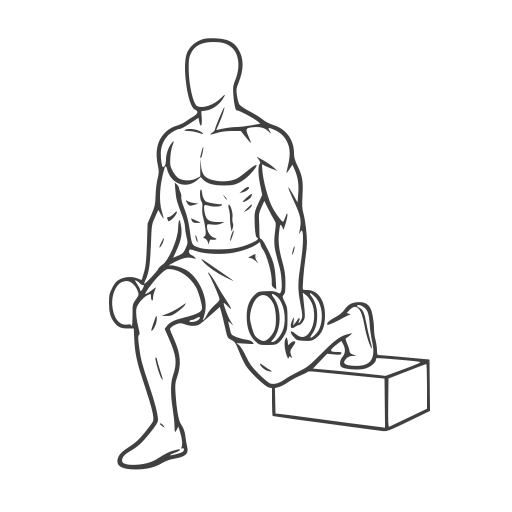
The dumbbell deficit reverse lunge is performed with the front foot elevated on a low platform, so stepping back drops the rear knee below foot level and lengthens the range of motion for the front leg's quadriceps and gluteus maximus. Lifters use it to drive hypertrophy through a deeper stretch, strengthen the bottom of the lunge, and improve hip mobility, while the reverse step keeps it gentler on the knees than forward lunging.

Deficit Reverse Lunge (Dumbbell) illustration

How to do Deficit Reverse Lunge (Dumbbell)

  1. 1Stand on a low platform or bumper plate holding a dumbbell in each hand at your sides.
  2. 2Brace your core and inhale as you step one leg back off the platform, lowering the rear knee toward the floor.
  3. 3Descend until your front thigh is at or below parallel, feeling a deep stretch in the front hip and thigh.
  4. 4Keep your torso upright and your front heel planted; do not let the front knee dive inward.
  5. 5Exhale and drive through the front foot to bring the rear leg back onto the platform.
  6. 6Complete all reps on one leg before switching, or alternate legs each rep with the same controlled tempo.
Track Deficit Reverse Lunge (Dumbbell) in Plates

Save this movement to a workout template, log sets and rest periods, and keep your training history in one focused gym tracker.